

How to Rank Higher in Google Maps: A Practical Guide for Small Business
When someone nearby searches for what you offer, you want your business showing up in Google Maps. Not buried on page three. Not missing entirely. Right there in those top three results that most people click.
Here’s how to make that happen.
What Actually Matters for Google Maps Ranking
Google pulls the Map Pack results from your Google Business Profile. The ranking depends on three things: relevance, distance, and prominence. Relevance is how well your profile matches what someone is searching. Distance is, well, how close you are to the searcher. Prominence is essentially your overall online reputation.
You can control all three.
Optimize Your Google Business Profile
Start with your profile. This is where Google gets most of its information.
Choose the right primary category. Pick the one that best describes your core business. Don’t stuff in every category you think might help. Google knows when you’re trying to game the system. If you’re a plumber, be a plumber. If you also do drain cleaning, that’s a service you can add separately.
Fill out every field. Business name, address, phone number, website, hours. Add your services. Add products. Upload photos regularly. Businesses with photos get more clicks and direction requests. Google notices.
Write a keyword-rich business description. Include what you do and where you do it. Don’t copy the same description from your website. Make it local. “Plumber serving the Phoenix metro area” works better than generic text.
Get More Reviews
Reviews are a major ranking signal, and they matter even more for click-throughs.
Ask customers for reviews after successful jobs. Make it easy. Send a direct link. Follow up politely. Don’t buy reviews or offer incentives. Google can detect manipulation, and the penalties hurt.
Respond to every review, positive and negative. Thank people for good reviews. Address concerns in negative ones professionally. Show potential customers you care about feedback.
This builds trust and improves your ranking simultaneously.
Keep Your Information Consistent
Your NAP (name, address, phone) should be identical everywhere online. Every directory, every social profile, every website mention. Same format, same spelling, same phone number.
Inconsistencies confuse Google and dilute your local ranking power. Check your citations regularly. Fix any mismatches immediately.
Use Google Business Profile Posts
Posts are underused. They let you share updates, offers, and news directly on your Google listing. New menu items, seasonal promotions, event announcements.
Posts expire after seven days or so, so keep them fresh. Add a photo or video. Include a call to action when it makes sense.
Regular posts signal to Google that your business is active, which can help your ranking.
Build Local Citations
Get listed in reputable directories. Start with the major ones: Yelp, Yellow Pages, BBB, industry-specific directories. Then branch out to local chambers of commerce and neighborhood business associations.
Each citation reinforces your location and business type to Google. Quality matters more than quantity here. A few strong, consistent listings beat dozens of neglected ones.
Add Location Pages to Your Website
If you serve multiple areas, create dedicated pages on your website for each location you serve. Include the location name in headers, content, and meta descriptions naturally. Don’t stuff keywords.
This helps you show up for searches in those specific areas.
Track Your Progress
Check your Google Maps ranking regularly for your target keywords. Use incognito mode so Google doesn’t personalize results based on your history.
Monitor your clicks, direction requests, and photo views from your Google Business Profile dashboard. These metrics tell you what’s working.
If you’re not showing up at all, double-check your profile completeness. If you’re ranking but not converting, improve your photos, reviews, and business description.
What to Avoid
Don’t use a P.O. box or virtual office as your address if you don’t actually serve customers there. Google verifies locations, and fake addresses get suspended.
Don’t keyword-stuff your business name. It’s against Google’s guidelines and can get your listing removed.
Don’t ignore negative reviews. They hurt your ranking and your conversion rate.
Keep At It
Local ranking takes time. You’re not going to jump to the top overnight. But consistently optimizing your profile, earning reviews, and maintaining accurate citations will move the needle.
Most small businesses ignore this stuff. That’s your opportunity. While your competitors coast on bad listings and zero reviews, you can own the local results in your area.
The SMB Hub Editorial Team
Our team of marketing experts and small business enthusiasts is dedicated to providing actionable insights, proven strategies, and the latest trends to help your business thrive in the digital landscape.
Related Articles

Local SEO Strategies for Service-Area Businesses (SABs): The 2026 Guide
Struggling to rank your service-area business locally? Discover proven strategies to dominate search results without a physical storefront in 2026.
Effective SEO for Pest Control Companies Growth
Elevate your pest control business with tailored SEO strategies designed to boost your online visibility and attract more clients.
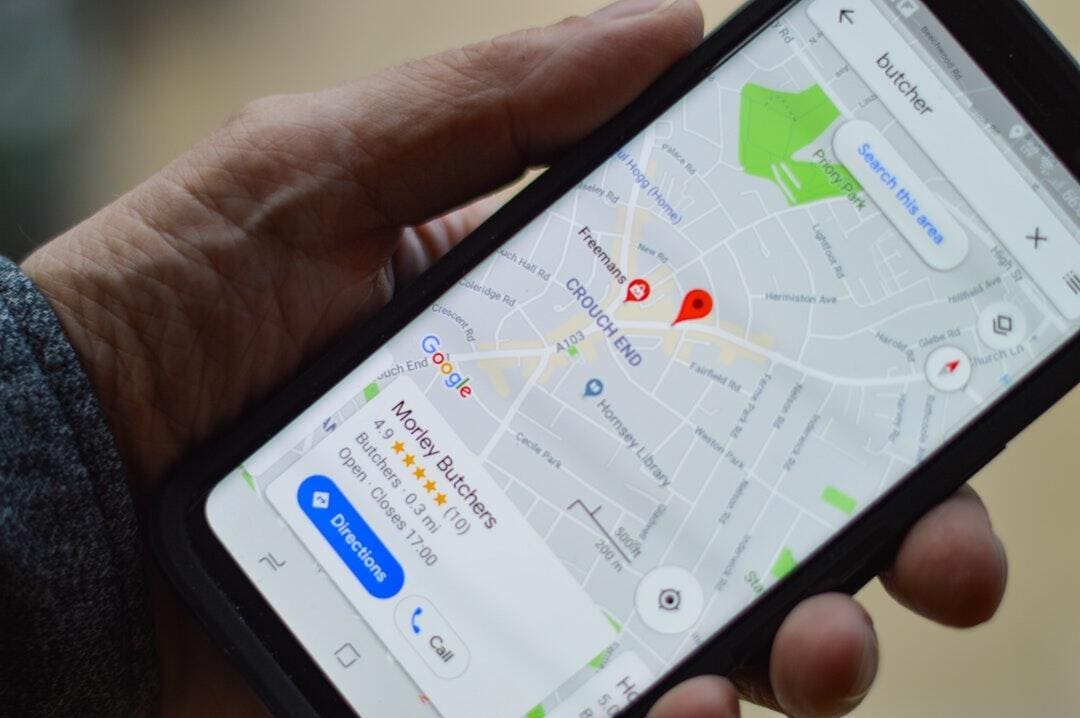
How to Claim a Google Business Listing
Are you internet searching "how to edit my Google business listing?" Read here to learn how to claim a Google business listing and learn how to edit it.